
How AI is Making Online Casinos Safer and More Personal this 2026
Discover how the integration of Artificial Intelligence is reshaping the Philippine iGaming industry and delivering...
Discover how the integration of Artificial Intelligence is reshaping the Philippine iGaming industry and delivering...

As the Middle East crisis drives up global energy prices and disrupts supply chains, PAGCOR warns of a growing strain...
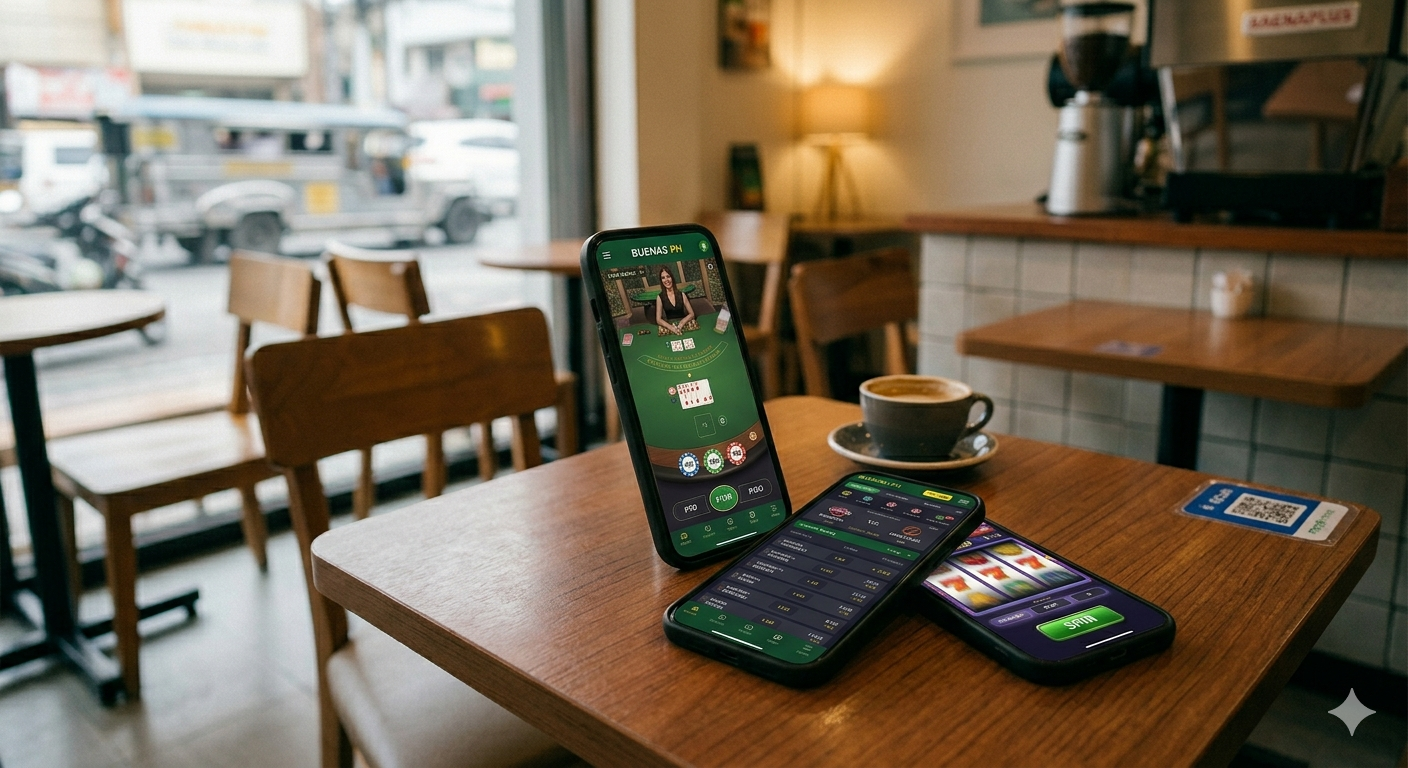
As the Philippines moves into a strictly regulated, high-speed digital market in 2026, we dive into the top iGaming...

The Philippine Senate questions the systemic safety gaps on Roblox and other digital gaming platforms that leave...
QCI is set to present its AGI56-1 tribal gaming management and business intelligence system at the Indian Gaming Association (IGA) Trade Show & Convention scheduled for 2026 in Las Vegas. The AGI56-1 platform is designed to accelerate performance and operational efficiencies for tribal gaming enterprises by integrating comprehensive gaming management capabilities with advanced data analytics. Through this showcase, QCI aims to provide tribal gaming operators with improved tools for data-driven decision-making to strengthen business outcomes. The IGA event represents a key annual forum for exchanging innovations and trends within the tribal gaming industry, where QCI’s participation underscores its commitment to advancing tribal gaming operations through technology.
Downtown Grand Las Vegas, a prominent casino and hotel resort, has defaulted on a $63.5 million loan, marking a significant financial setback amid challenging economic conditions affecting the hospitality and gaming sectors. The property, owned by 7-Point Capital, continues to operate its casino and hotel facilities despite the ongoing financial difficulties. The lender, Western Alliance Bank, which holds the defaulted debt, is engaged in discussions with 7-Point Capital regarding the next steps to resolve the situation. This development underscores the pressure on casino operators in downtown Las Vegas as they navigate a competitive market and macroeconomic headwinds. While the default has raised concerns about the resort's financial stability, no immediate changes to the operation of Downtown Grand have been announced. Stakeholders are closely monitoring the situation as the parties involved seek to find a viable path forward amid broader sector challenges.

Buenas PH is expanding its presence in the Philippine iGaming industry by partnering with top gaming creators to...
Taiwan's Ministry of Health and Welfare has revised its regulations concerning game software operators to better address issues of gaming addiction, particularly among minors. Effective April 1, 2026, the updated measures impose stricter limits on the daily and weekly online game playtime allowed for users under the age of 18. Under the new rules, operators must implement technological systems to accurately identify minor users and enforce mandatory play breaks and time restrictions to prevent excessive gaming. Additionally, game companies are required to provide educational resources for players and their guardians about the risks and prevention methods related to gaming disorder. These changes reflect an ongoing governmental effort to foster healthier gaming habits and protect youth from the adverse effects of prolonged gaming sessions. The Ministry emphasized that these regulations aim to promote responsible gaming behaviors and safeguard minors' wellbeing in the digital entertainment environment.
China's Ministry of Culture and Tourism announced new draft regulations on April 2, 2026, that aim to curb video game addiction among minors by restricting their gaming time and strengthening identification measures. Under the proposed rules, minors will be allowed to play video games for only one hour on designated days, specifically Fridays, weekends, and public holidays. The draft also calls for game operators to implement enhanced verification systems such as facial recognition and real-name registration to enforce these restrictions effectively. These regulatory efforts are consistent with China’s ongoing strategy to address concerns about excessive gaming among youth and to promote healthier digital habits. The ministry has invited public feedback on the draft rules as part of the formulation process.