
Top Filipino Gaming Content Creators to Follow in 2026
The Philippine gaming scene continues to thrive in 2026, powered by creators who dominate streaming, esports, and...
The Philippine gaming scene continues to thrive in 2026, powered by creators who dominate streaming, esports, and...

As the Middle East crisis drives up global energy prices and disrupts supply chains, PAGCOR warns of a growing strain...

As the Philippines moves into a strictly regulated, high-speed digital market in 2026, we dive into the top iGaming...

megaFUNalo! introduces Gioco Arcade, a new lineup of Pinoy-themed digital games that blends Filipino culture with...
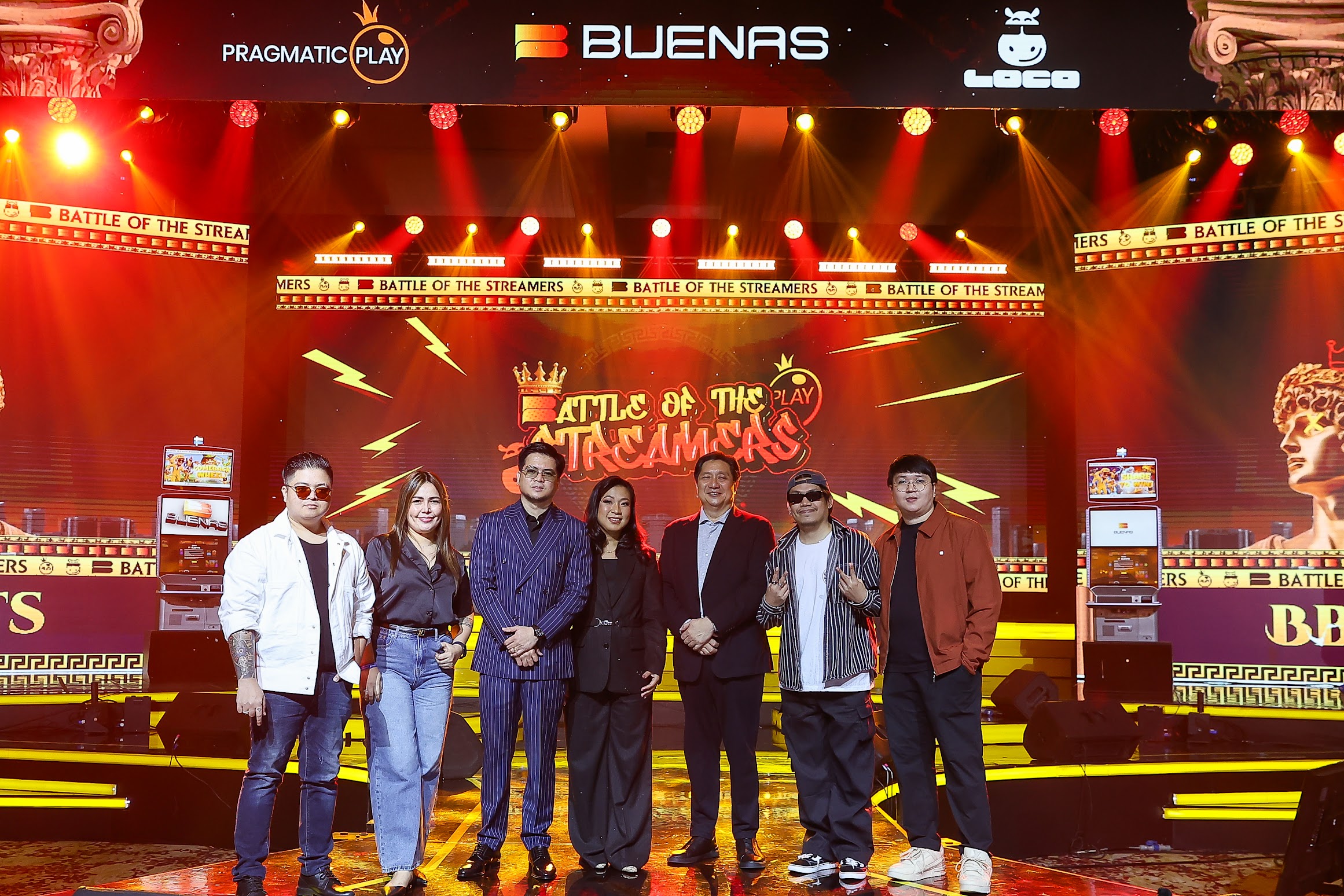
Buenas PH is expanding its presence in the Philippine iGaming industry by partnering with top gaming creators to...
Casinos owned by Hungarian businessmen Habony Árpád and Garancsi István have stopped accepting wagers on who will become the next prime minister of Hungary. The decision follows concerns about the political sensitivity and potential reputational risks linked to betting on this outcome. Such markets, which mix gambling with political speculation, were available previously but have now been withdrawn from these venues. This move reflects a growing cautious stance within Hungary's casino sector regarding politically charged bets. The change comes amid ongoing debates about political influence and public perception in Hungary's gaming and gambling industry. By halting these bets, the operators seek to avoid controversies that could arise from blending politics with gambling activities in their casinos.
The Trump administration has initiated legal action against three U.S. states over their efforts to regulate prediction markets, which allow participants to trade on the outcomes of future events. The administration argues that the states' attempts to impose regulatory frameworks on these markets conflict with federal jurisdiction and violate constitutional protections. The targeted states are seeking to enforce new rules aimed at managing the operation and legality of prediction markets locally. This lawsuit represents a significant development in the ongoing debate over the regulation of emerging financial and betting technologies, highlighting tensions between state and federal authority. The cases raise important issues about how prediction markets should be governed and the boundaries of state intervention in platforms that blend gambling and financial prediction functions.
The Trump administration has initiated legal action against the states of Illinois, Michigan, and Iowa concerning their attempts to regulate prediction markets. These markets allow participants to bet on the outcome of future events and are considered a subset of commodity futures. The administration alleges that state regulations are preempted by federal law, which vests exclusive regulatory authority with the Commodity Futures Trading Commission (CFTC). According to the lawsuits, allowing states to impose their own rules conflicts with the federal framework governing these markets. The legal challenges highlight growing tensions between state efforts to regulate emerging betting platforms and the federal government's control over commodity futures markets. The outcome of these cases could have significant implications for the governance and operation of prediction markets across the United States.
As of March 30, 2026, several casino stocks have drawn investor attention amid evolving market conditions in the U.S. gaming industry. The article reviews the latest performance metrics and highlights relevant developments impacting publicly traded casino companies. Market trends indicate cautious optimism as fiscal results and regulatory updates shape investor sentiment. The overview emphasizes key stock movements among major casino operators, assessing factors such as revenue reports, regulatory environments, and competitive positioning within the U.S. market. Changes in consumer behavior and shifts in gaming demand are also noted as potential influences on sector performance. This snapshot offers insights for stakeholders monitoring the casino industry, focusing on stock valuation trends and emerging patterns in the gambling market. The analysis remains grounded in factual recounting of market data without speculation, serving as an informative resource for investors and industry observers.