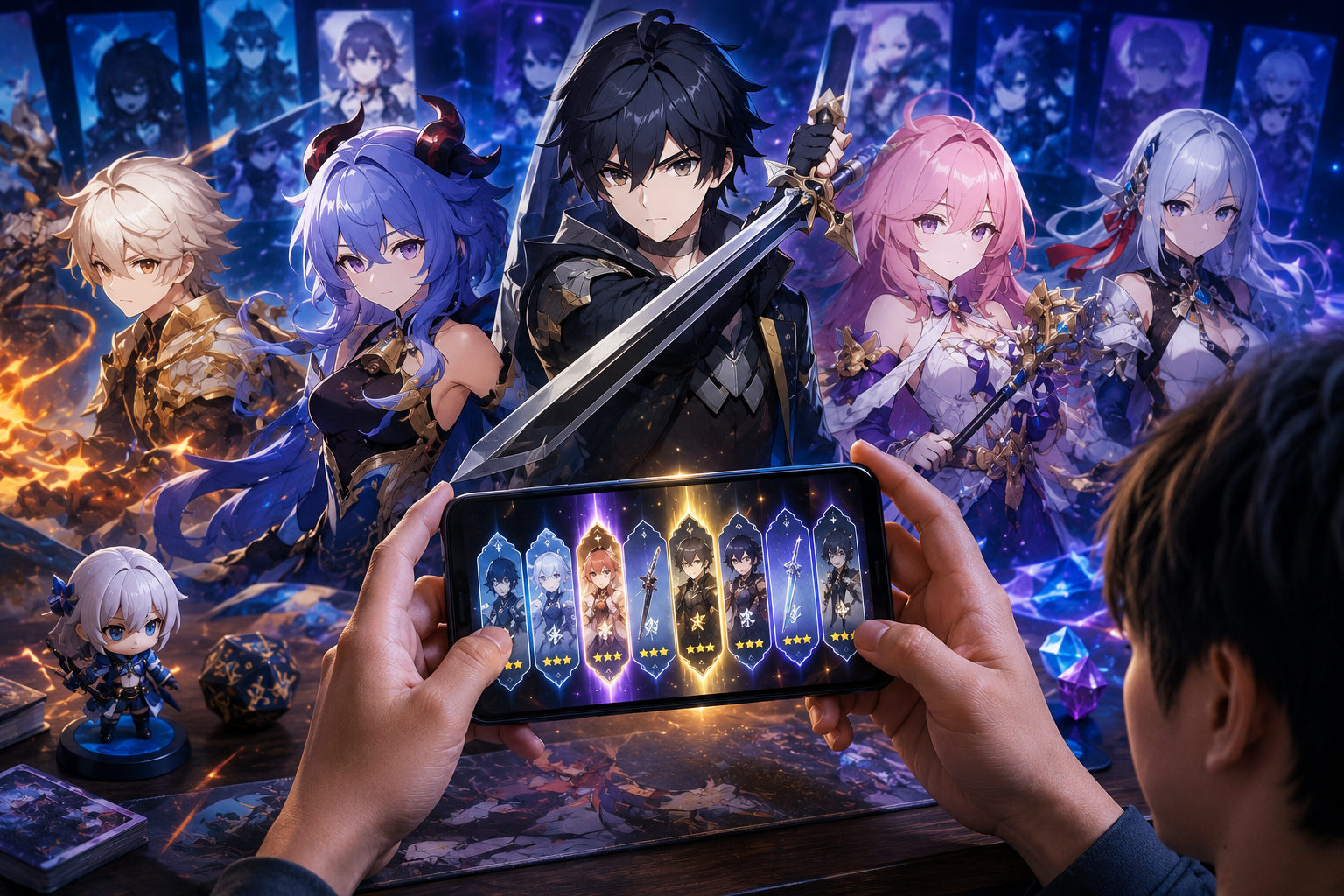
Gacha games continue to gain massive popularity in the Philippines as more gamers embrace anime-inspired mobile titles, collectible characters, and chance-based in-game mechanics.
Games such as Genshin Impact, Honkai: Star Rail, Zenless Zone Zero, and Wuthering Waves have built large communities in the country, particularly among younger players and anime fans. Their mix of immersive storytelling, visually appealing characters, and frequent content updates continues to attract millions of players worldwide — including in the Philippines.
Anime Culture and Mobile Gaming
One major reason behind the popularity of gacha games among Filipino gamers is the country’s strong anime and pop culture community.
Many gacha titles feature anime-style visuals, voice acting, and character designs that strongly appeal to fans of Japanese and Asian entertainment. Social media platforms such as TikTok, Facebook, and Discord have also helped expand local gaming communities through fan art, livestreams, cosplay, and character discussions.
The accessibility of mobile gaming has further contributed to the growth of gacha titles in the country, allowing players to enjoy these games anytime through smartphones.
Spending Habits and In-Game Purchases
Unlike traditional games, gacha titles heavily rely on microtransactions, where players spend currency for randomized character or item pulls.
Some gamers spend occasionally for favorite characters, while others invest heavily during limited-time banners and special events. The rise of e-wallet services and digital payment platforms has also made in-game purchases more convenient for Filipino players.
Despite concerns surrounding spending behavior and RNG-based mechanics, many gamers continue supporting gacha games due to the excitement of collecting rare characters and participating in seasonal events.
Gacha Gaming Continues to Grow
As anime culture and mobile gaming continue to expand in the Philippines, experts believe gacha games will remain one of the country’s fastest-growing gaming genres.
Developers also continue launching new titles and collaborations aimed at maintaining player engagement in Southeast Asia, where the Philippines remains one of the region’s most active mobile gaming markets.